
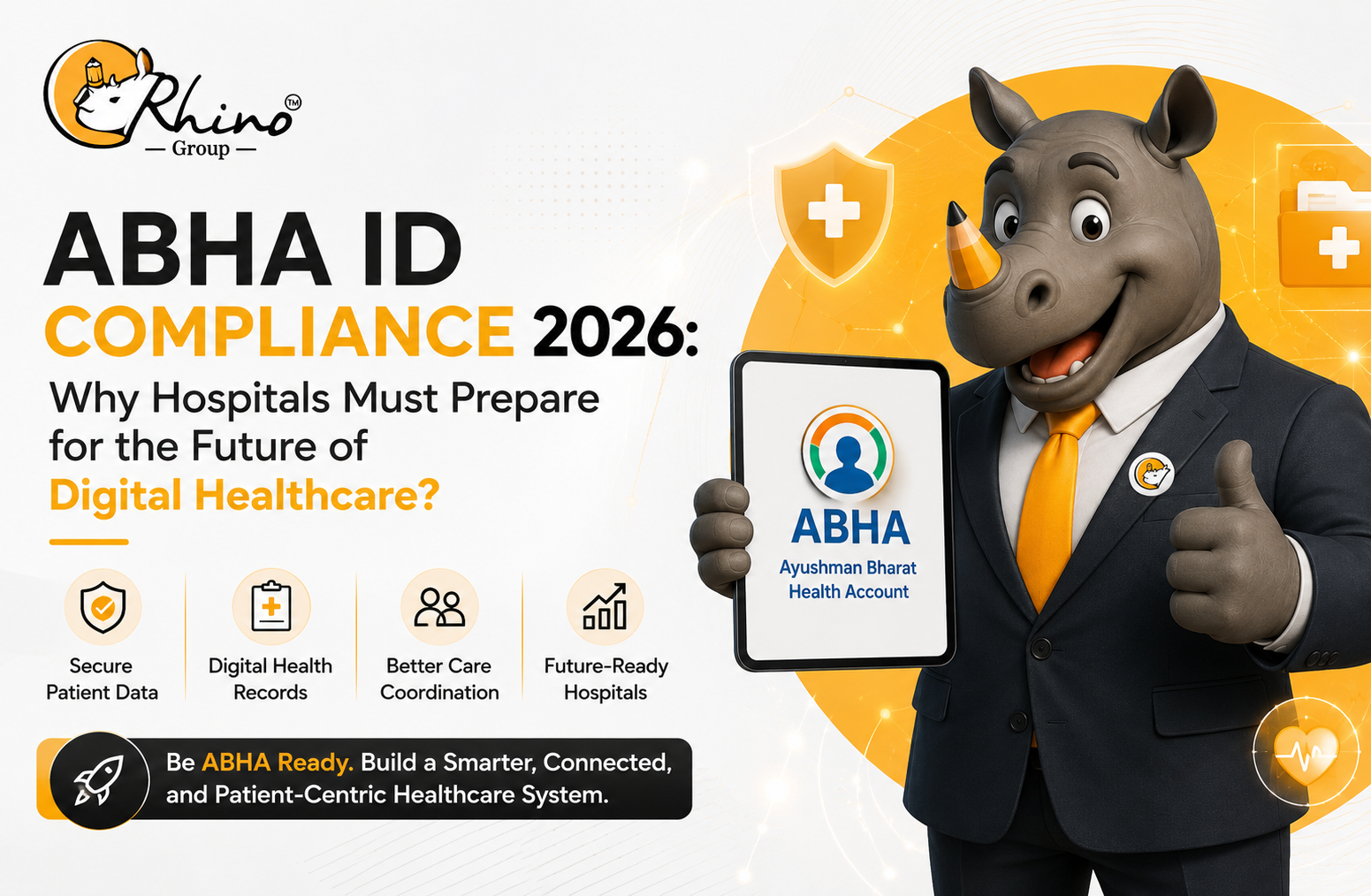
The Growing Importance of ABHA ID Compliance for Hospitals
Healthcare in India is experiencing a major digital transformation. Hospitals are moving beyond traditional paper-based documentation and adopting secure digital systems to improve patient care, reduce administrative challenges, and create a connected healthcare ecosystem.
As digital healthcare adoption increases, ABHA ID compliance 2026 is becoming an important focus for hospitals, clinics, and healthcare organizations. The ability to maintain accurate, secure, and accessible patient health records is becoming essential for delivering efficient healthcare services.
The Ayushman Bharat Health Account (ABHA) initiative aims to create a digital health identity for individuals, allowing healthcare information to be managed securely and accessed with patient consent.
For hospitals, ABHA compliance is not only about meeting healthcare technology requirements. It is about improving the patient experience, helping doctors make better decisions, protecting sensitive health information, and preparing for the future of healthcare in India.
What Is ABHA ID Compliance?
ABHA ID compliance refers to a healthcare organization’s ability to integrate and manage digital patient records according to the framework of the Ayushman Bharat Digital Mission (ABDM).
The ABHA system enables patients to create a unique health identity that connects their medical information digitally. Hospitals can use this ecosystem to securely manage and exchange health records while maintaining privacy and transparency.
A strong ABHA-compliant healthcare system supports:
- Digital patient registration
- Electronic medical records management
- Secure health information exchange
- Patient consent-based data sharing
- Improved healthcare coordination
By adopting ABHA-compatible solutions, hospitals can create a smoother healthcare journey for both patients and medical professionals.
Why ABHA ID Compliance Matters for Hospitals in 2026?
1. Digital Patient Records Are Becoming Essential
Managing healthcare records manually has always been challenging. Paper files can be misplaced, medical histories may be incomplete, and accessing old reports can take valuable time.
Digital health records solve these problems by creating a structured and secure method of storing patient information.
With digital records, hospitals can:
- Access patient history quickly
- Reduce documentation errors
- Improve treatment planning
- Avoid unnecessary repeated tests
- Increase operational efficiency
As healthcare becomes more technology-driven, hospitals with advanced digital record systems will be better prepared to meet patient expectations
2. ABHA Compliance Improves Patient Experience
Modern patients expect healthcare services to be convenient, transparent, and easily accessible.
A patient visiting multiple hospitals often carries physical reports, prescriptions, and previous medical documents. This process can be stressful, especially during emergencies.
With ABHA-enabled digital healthcare systems, patients can securely share their health information whenever required.
Benefits include:
- Faster consultations
- Easier access to medical history
- Better coordination between healthcare providers
- More personalized treatment
A connected healthcare system creates a better experience for patients while helping hospitals deliver efficient services.
3. Secure Healthcare Data Management Is More Important Than Ever
Patient data is among the most sensitive information handled by any organization. Hospitals manage confidential details such as medical conditions, diagnostic reports, prescriptions, and treatment records.
As healthcare systems become digital, data protection becomes a critical responsibility.
Hospitals must focus on:
- Secure data storage
- Privacy protection
- Controlled access management
- Regular cybersecurity improvements
Strong data security helps healthcare providers maintain patient confidence and protect their reputation.
Challenges Hospitals May Face Without Digital Health Compliance
Inefficient Record Management
Hospitals dealing with large volumes of paper records may face difficulties in organizing, retrieving, and updating patient information.
Delayed Healthcare Decisions
When medical information is unavailable at the right time, doctors may face challenges in understanding a patient’s complete health background.
Higher Administrative Workload
Manual processes require additional time from healthcare staff and can reduce overall productivity.
Difficulty Adapting to Future Healthcare Trends
As India moves toward connected healthcare systems, hospitals without digital readiness may find it challenging to adapt.
How Hospitals Can Prepare for ABHA ID Compliance 2026
1. Implement an ABDM-Compatible Healthcare Management System
Hospitals should invest in reliable healthcare technology solutions that support digital transformation.
An effective healthcare management platform should include:
- Electronic Medical Records (EMR)
- ABHA integration capabilities
- Secure patient data management
- Automated healthcare workflows
- Easy access to medical information
The right digital infrastructure helps hospitals improve efficiency while preparing for future healthcare requirements.
2. Train Healthcare Teams for Digital Adoption
Technology is effective only when healthcare professionals know how to use it properly.
Hospitals should provide training for:
- Doctors
- Nurses
- Administrative employees
- Front-office teams
Proper training ensures accurate record management and smoother digital adoption.
3. Build a Strong Data Security Strategy
Healthcare organizations should continuously improve their cybersecurity practices.
Regular system monitoring, employee awareness programs, and security updates help protect patient information and maintain trust.
The Future of Digital Healthcare in India
The future of healthcare is moving toward a connected digital ecosystem where technology supports better medical decisions and improved patient experiences.
Digital health records, artificial intelligence, and healthcare automation will continue transforming hospitals across India.
Organizations that adopt ABHA compliance early can create more efficient operations, strengthen patient relationships, and deliver higher-quality healthcare services.
Conclusion: ABHA Compliance Is a Step Toward Better Healthcare for Everyone
ABHA ID compliance 2026 is not just a digital requirement for hospitals. It represents a positive transformation toward a smarter, safer, and more patient-focused healthcare system.
Every patient has a unique health journey that includes previous treatments, medical history, and important health information. When this information is securely available at the right time, doctors can make more accurate decisions and provide better care.
Hospitals that prepare today by adopting digital health records, strengthening cybersecurity, and training their teams will be better positioned for the future. They can improve operational efficiency while creating a healthcare experience that is faster, simpler, and more convenient for patients.
The goal of digital healthcare is not to replace human connection. Instead, technology helps doctors spend more time focusing on what matters most: caring for patients.
ABHA compliance provides hospitals with an opportunity to build trust, improve healthcare accessibility, and contribute to a stronger healthcare ecosystem in India.
The healthcare organizations that embrace innovation today will lead tomorrow’s digital healthcare landscape. By becoming ABHA-ready, hospitals can move confidently toward a future where technology and compassion work together to deliver better health outcomes for millions of people.
