
Overview
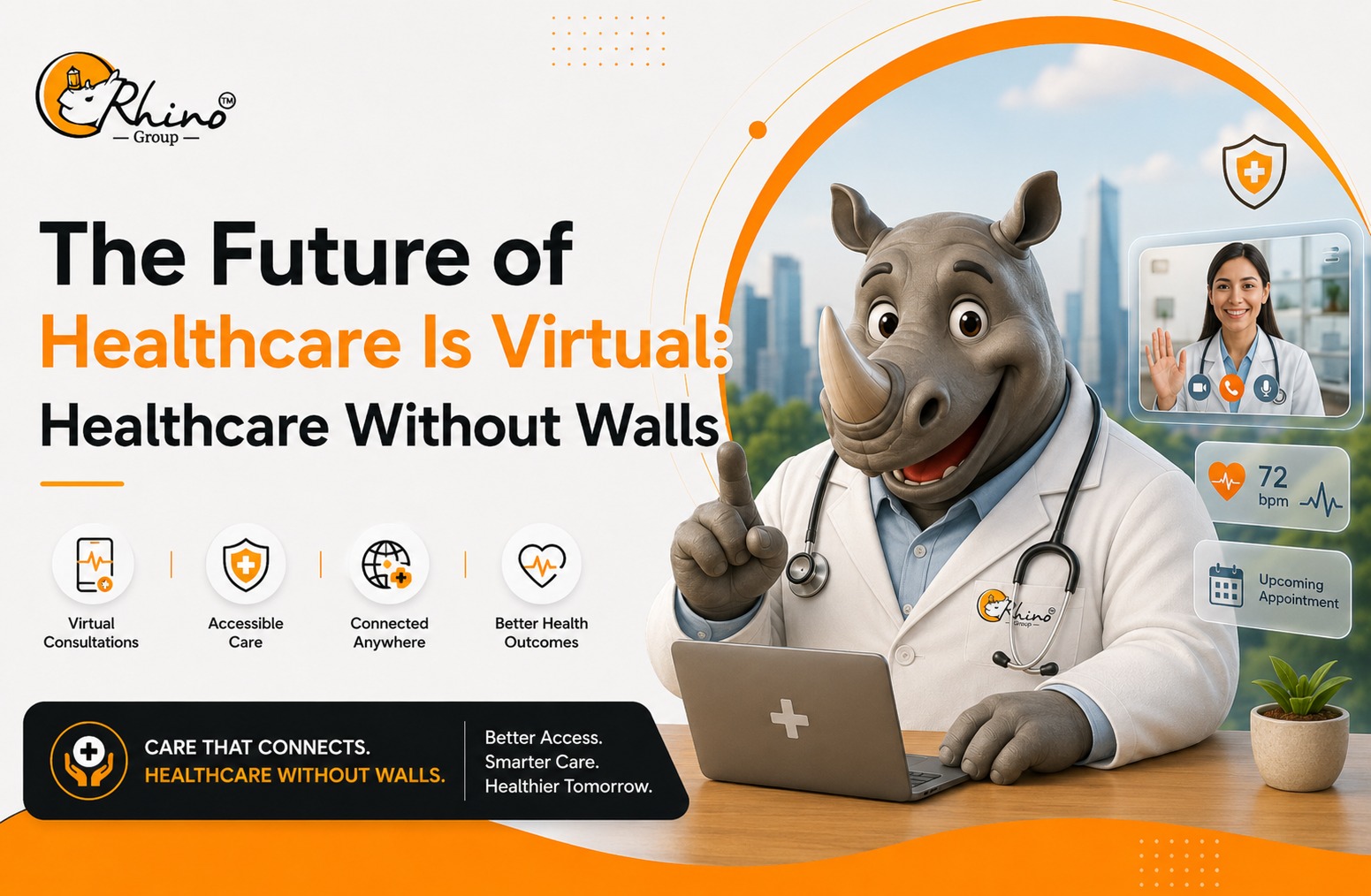
Healthcare is undergoing one of its most significant transformations as virtual healthcare and hybrid care models become central to modern medical services. Advances in digital technology, artificial intelligence (AI), wearable devices, and secure telehealth platforms are enabling healthcare providers to deliver high-quality care beyond traditional clinical settings.
A hybrid healthcare model combines virtual consultations with in-person visits, allowing patients to receive convenient, personalized, and continuous care while ensuring that physical examinations and specialized treatments remain available when needed. This approach improves access to healthcare, reduces costs, enhances patient engagement, and helps healthcare systems manage growing demand.
As healthcare organizations continue investing in digital infrastructure, virtual and hybrid care models are expected to become a permanent component of healthcare delivery in 2026 and beyond.
Why Virtual Healthcare Is Growing
Virtual healthcare is expanding rapidly as patients, providers, and healthcare systems seek more convenient, efficient, and accessible ways to deliver medical care. As a result, virtual healthcare is becoming an essential part of modern healthcare delivery.
Several factors are accelerating the adoption of virtual healthcare:
- Increasing demand for convenient healthcare services
- Improved broadband connectivity and mobile technology
- Growth of AI-powered healthcare solutions
- Rising healthcare costs encouraging more efficient care delivery
- Expansion of remote patient monitoring technologies
- Greater acceptance of telemedicine by patients and healthcare providers
- Aging populations requiring continuous medical support
- Increased focus on preventive and personalized healthcare
What Is a Hybrid Care Model?
A hybrid care model is a healthcare approach that combines virtual healthcare services with traditional in-person medical care to provide patients with flexible, efficient, and personalized treatment. hybrid care integrates both methods, ensuring patients receive the right type of care at the right time.
Hybrid care blends digital healthcare services with traditional face-to-face medical care.
Typical patient journey:
- l Schedule an appointment online.
- l Attend an initial virtual consultation.
- l Complete remote monitoring or diagnostic testing.
- l Visit a clinic or hospital only when physical examination or procedures are necessary.
- l Continue follow-up care virtually.
This flexible approach allows healthcare providers to allocate resources more efficiently while improving patient convenience.
Key Technologies Driving Hybrid Healthcare
Artificial Intelligence
Artificial Intelligence (AI) is transforming hybrid healthcare by enabling faster, more accurate, and data-driven clinical decisions while improving operational efficiency. By analyzing vast amounts of patient data, AI helps healthcare professionals detect diseases earlier, personalize treatment plans, automate routine tasks, and enhance the overall patient experience.
AI assists healthcare professionals by:
- l Supporting clinical decision-making
- l Identifying high-risk patients
- l Automating administrative tasks
- l Enhancing medical imaging analysis
- l Personalizing treatment recommendations
Telemedicine Platforms
Telemedicine platforms are the foundation of virtual and hybrid healthcare, enabling patients and healthcare providers to connect securely through digital channels. These platforms support video consultations, phone appointments, secure messaging, and the sharing of medical records, allowing many healthcare services to be delivered remotely without compromising quality of care.
Modern telehealth systems enable:
- l Video consultations
- l Secure messaging
- l Digital prescriptions
- l Online appointment scheduling
- l Electronic health record integration
Remote Patient Monitoring
Remote Patient Monitoring (RPM) is a key technology powering hybrid healthcare by enabling healthcare providers to monitor patients’ health outside traditional clinical settings. This technology is particularly valuable for managing chronic diseases, supporting post-surgical recovery, and monitoring high-risk patients.
Connected medical devices continuously monitor patients by tracking:
- l Blood pressure
- l Blood glucose
- l Heart rate
- l Oxygen saturation
- l Weight
- l Sleep quality
- l Physical activity
This allows clinicians to detect health issues early and intervene before conditions worsen.
Wearable Health Devices
Smartwatches and wearable sensors provide real-time health insights, helping both patients and physicians monitor chronic conditions and encourage healthier lifestyles.
Electronic Health Records (EHR)
Integrated EHR systems improve coordination by allowing authorized healthcare professionals to securely access patient information across virtual and in-person care settings.
Benefits for Patients
Virtual healthcare and hybrid care models are transforming the patient experience by making medical services more accessible, convenient, and personalized.
Virtual and hybrid healthcare offers numerous advantages:
- l Faster access to healthcare professionals
- l Reduced travel time and transportation costs
- l Greater convenience for routine consultations
- l Improved access for rural and underserved communities
- l Better management of chronic diseases
- l Increased patient engagement
- l More flexible scheduling
- l Enhanced continuity of care
- l Reduced exposure to infectious diseases in clinical settings
Benefits for Healthcare Providers
By integrating telemedicine, artificial intelligence, remote monitoring, and digital health platforms, providers can increase efficiency, improve care coordination, and deliver more proactive, patient-centered healthcare.
Healthcare organizations benefit through:
- l Increased operational efficiency
- l Lower administrative costs
- l Better patient capacity management
- l Reduced appointment no-show rates
- l Improved clinician productivity
- l Enhanced patient satisfaction
- l More effective follow-up care
- l Better population health management through data analytics
Challenges to Overcome
While virtual healthcare and hybrid care models offer significant benefits, their widespread adoption also presents several challenges. Healthcare organizations must address issues related to technology, security, accessibility, and patient experience to ensure digital healthcare solutions are safe, reliable, and effective for everyone.
Despite rapid adoption, hybrid healthcare faces several challenges:
- l Protecting patient privacy and cybersecurity
- l Ensuring equitable access for patients with limited internet connectivity
- l Addressing digital literacy gaps
- l Integrating data across different healthcare systems
- l Maintaining reimbursement and regulatory compliance
- l Preventing clinician burnout from managing multiple care channels
- l Ensuring virtual consultations are appropriate for each patient’s medical needs
Industries Supporting Virtual Healthcare
The growth of virtual healthcare and hybrid care models is being accelerated by a wide range of industries that provide the technologies, infrastructure, and services needed to deliver connected, patient-centered care.
Growth in hybrid care is driving innovation across several sectors:
- l Health technology companies
- l Cloud computing providers
- l AI healthcare startups
- l Medical device manufacturers
- l Wearable technology companies
- l Cybersecurity firms
- l Digital pharmacy services
- l Healthcare analytics platforms
Key Takeaways
- l Hybrid healthcare combines virtual and in-person medical services for greater flexibility.
- l Telemedicine is becoming a routine part of healthcare delivery rather than a temporary solution.
- l AI, wearable devices, and remote monitoring are improving preventive and personalized care.
- l Hybrid models increase healthcare accessibility while reducing operational costs.
- l Data security, interoperability, and digital inclusion remain important priorities.
- l Continuous innovation will further improve patient outcomes and healthcare efficiency.
Conclusion
Virtual healthcare and hybrid care models are redefining how medical services are delivered. By combining the convenience of digital health technologies with the expertise of in-person clinical care, healthcare systems can offer more accessible, efficient, and patient-centered services.
Organizations that embrace this transformation will be better positioned to improve patient outcomes, optimize healthcare resources, and meet the evolving expectations of patients in 2026 and beyond.
