
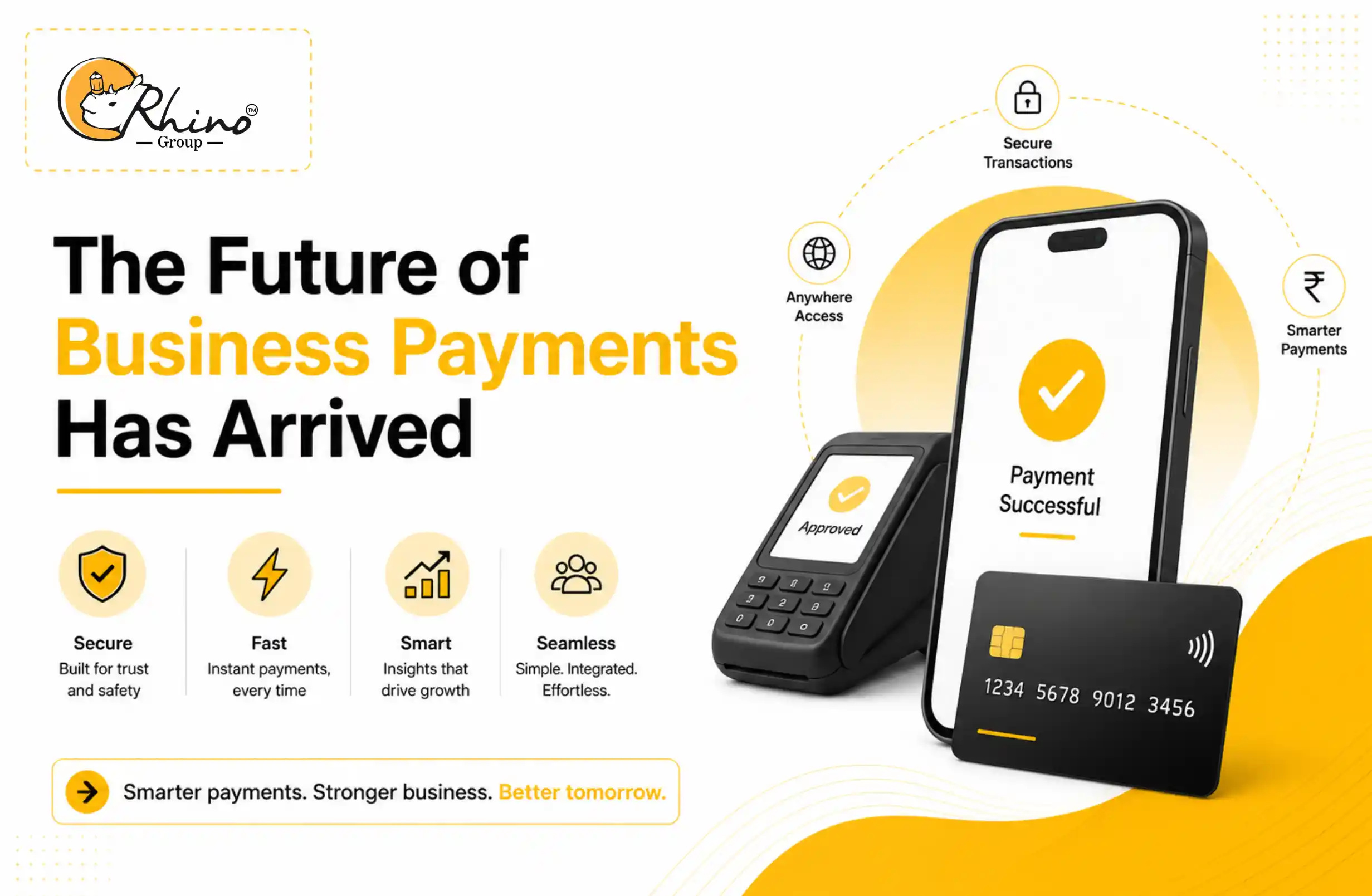
India’s digital payment revolution transformed the way businesses receive and send money. From cash transactions to UPI-powered instant payments, businesses have witnessed a remarkable shift over the last decade. Now, the next evolution is already underway: the Digital Rupee for Businesses.
The Reserve Bank of India (RBI) has been actively expanding its Central Bank Digital Currency (CBDC) initiative, commonly known as the e-Rupee. While UPI changed customer payments, the Digital Rupee is expected to redefine business banking, supplier settlements, cash flow management, and compliance processes.
For MSMEs, retailers, D2C brands, and enterprises, understanding CBDC payments in India is becoming essential. Businesses that prepare early can gain operational efficiency, reduce transaction costs, and improve financial control.
What Is the Digital Rupee?
The Digital Rupee, or e-Rupee, is an RBI-issued digital currency that holds the same value as physical cash. Unlike money stored in a bank account, Digital Rupee tokens function as digital legal tender.
Businesses will primarily interact with two forms:
Retail e-Rupee (e₹-R)
- Used by consumers and merchants
- Enables digital payments similar to UPI
- Designed for day-to-day transactions
Wholesale e-Rupee (e₹-W)
- Used for large-value settlements
- Supports interbank transactions
- Useful for corporate and institutional payments
Unlike traditional banking systems, CBDC transactions can settle directly without multiple intermediaries, making payments faster and more efficient.
Why the Digital Rupee Matters for Businesses
As India moves toward a more digital economy, businesses are looking for payment systems that reduce friction and improve cash flow.
The e-Rupee benefits for MSMEs extend far beyond simple digital transactions.
1. Faster Business Payments
Many businesses still experience delays in supplier payments, especially during weekends, holidays, or banking cut-off periods.
With CBDC-enabled transactions:
- Payments can be processed instantly
- Settlements happen around the clock
- Businesses gain quicker access to funds
For example, a manufacturer in Coimbatore can pay a supplier in Surat late at night and receive immediate confirmation without waiting for the next banking day.
2. Lower Transaction Costs
2. Lower Transaction Costs
Transaction fees can significantly impact profitability, especially for small businesses handling large payment volumes.
The Digital Rupee offers:
- Reduced payment processing costs
- Minimal intermediary involvement
- Potential savings on merchant transaction fees
For a retail business processing lakhs of rupees every month, even a small reduction in payment costs can generate meaningful annual savings.
3. Improved Cash Flow Management
Cash flow remains one of the biggest challenges for Indian MSMEs.
The Digital Rupee enables:
- Instant invoice settlements
- Faster receivables collection
- Better liquidity planning
When businesses receive payments immediately, they can manage inventory, payroll, and vendor payments more effectively.
Programmable Payments: The Biggest Game Changer
One of the most exciting features of CBDC payments in India is programmability.
Programmable money allows businesses to attach conditions to transactions.
Examples Include:
Automated Vendor Payments
A payment is released automatically once goods are delivered and verified.
GST and Tax Automation
Future systems may allow automatic allocation of tax amounts during transactions, reducing manual reconciliation work.
Employee Benefits
Organizations can issue digital allowances that can only be used for specific approved expenses.
Supply Chain Efficiency
Payments can move automatically through the supply chain once predefined milestones are completed.
This level of automation can significantly reduce administrative workload and human error.
Offline Payments Could Expand Business Opportunities
Internet connectivity remains a challenge in many parts of India.
One major advantage of the Digital Rupee is its potential offline functionality.
Benefits include:
- Transactions without active internet access
- Reduced payment failures
- Better accessibility in rural and remote regions
For businesses operating in areas with inconsistent network coverage, offline CBDC payments could provide a reliable alternative to existing digital payment methods.
Challenges Businesses Should Prepare For
While the future looks promising, businesses should also understand the challenges associated with Digital Rupee adoption.
Customer Adoption
UPI has hundreds of millions of users, while CBDC adoption is still growing. Businesses may need time before a significant percentage of customers start using e-Rupee regularly.
Accounting Adjustments
Finance teams will need updated processes for:
- Recording CBDC transactions
- Reconciling digital wallet balances
- Managing reporting requirements
Technology Upgrades
Businesses may need:
- Updated POS systems
- CBDC-compatible QR codes
- Employee training programs
Liquidity Considerations
Unlike bank deposits, Digital Rupee holdings generally do not generate interest, making treasury management an important consideration for larger organizations.
How Businesses Can Prepare for the Digital Rupee
Forward-thinking organizations should begin exploring Digital Rupee readiness now.
Step 1: Talk to Your Banking Partner
Check whether your bank supports RBI CBDC initiatives and merchant wallets.
Step 2: Upgrade Payment Infrastructure
Ensure payment systems are compatible with future CBDC integrations.
Step 3: Train Staff
Employees should understand the differences between UPI, bank transfers, and Digital Rupee transactions.
Step 4: Run Small Pilot Transactions
Test business workflows with limited CBDC transactions before scaling adoption.
Step 5: Monitor RBI Developments
Stay informed about CBDC regulations, pilot expansions, and industry updates.
The Future of CBDC Payments in India
The Digital Rupee is not expected to replace UPI, cards, or traditional banking. Instead, it will complement existing payment systems and provide businesses with additional flexibility.
As adoption grows, Digital Rupee for businesses could become a preferred option for:
- B2B settlements
- Vendor payments
- Government transactions
- Supply chain finance
- Automated compliance workflows
Businesses that embrace the technology early may gain a competitive advantage through lower costs, faster payments, and more efficient operations.
Conclusion
India’s payment ecosystem is entering a new phase. Just as UPI revolutionized retail transactions, the Digital Rupee for Businesses has the potential to transform commercial payments, settlement processes, and financial management.
The most significant e-Rupee benefits for MSMEs include instant settlements, lower transaction costs, improved cash flow, programmable payments, and enhanced operational efficiency. As CBDC payments India continue to expand, businesses that adapt early will be better positioned to thrive in a rapidly digitizing economy.
Now is the ideal time to explore Digital Rupee readiness, engage with banking partners, and prepare your organization for the next generation of business payments. The future of commerce is becoming faster, smarter, and more digital—and the Digital Rupee is set to play a major role in that transformation.
