
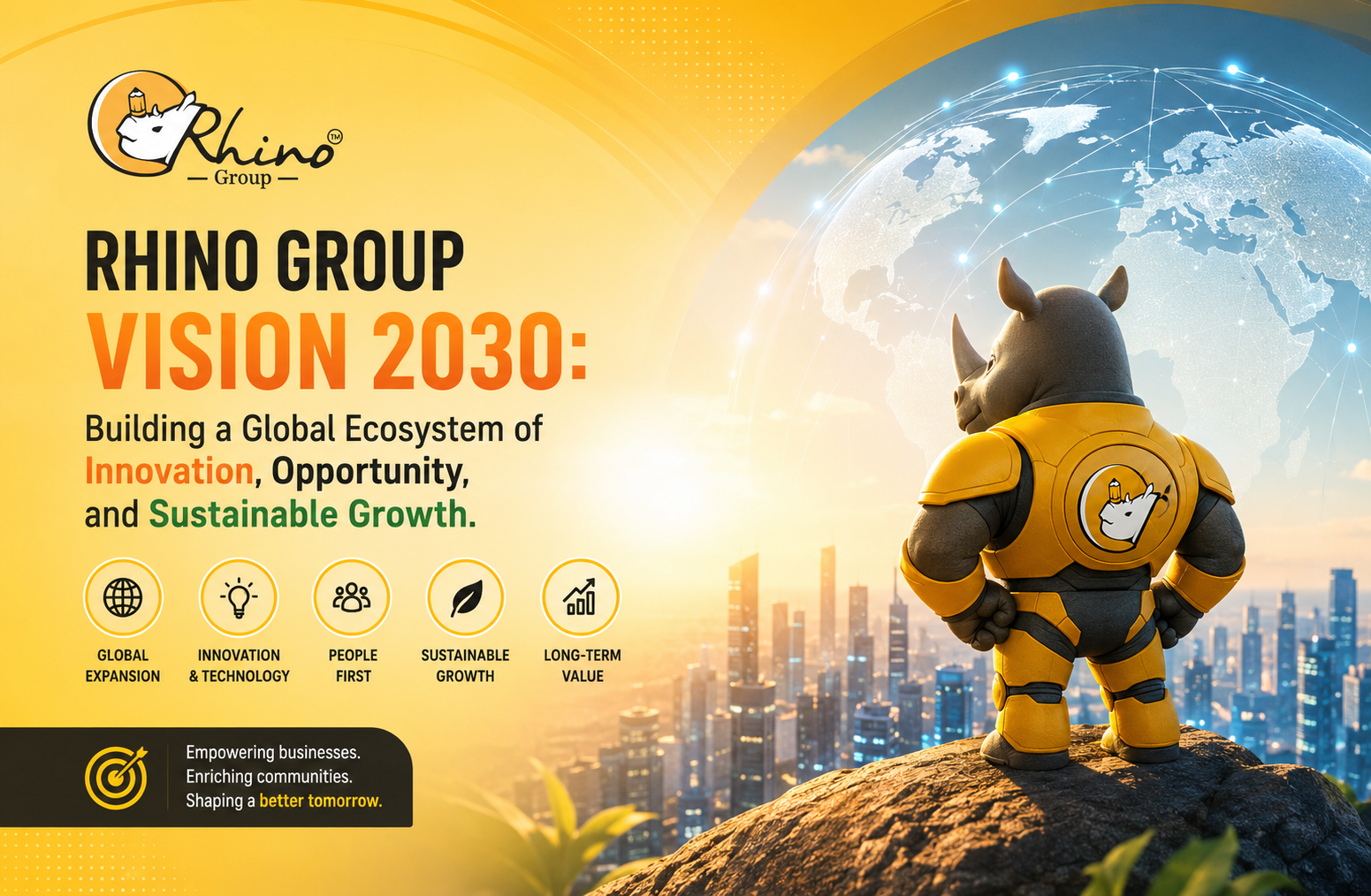
Overview
The business world is entering a transformative era in 2026, driven by technological innovation, shifting global markets, and evolving customer expectations. To remain competitive, organizations must embrace change, leverage emerging technologies, and develop strategies that balance growth with resilience.
Artificial Intelligence, automation, digital transformation, and data-driven decision-making are redefining how businesses operate. At the same time, globalization continues to create new opportunities for expansion, collaboration, and innovation, while increasing the need for adaptability in an ever-changing economic landscape.
Sustainability, cybersecurity, and workforce transformation have also become central to long-term business success. Companies that invest in innovation, prioritize customer experience, and build agile business models will be better equipped to respond to market disruptions and capitalize on emerging opportunities.
As we explore the key business trends shaping 2026, it becomes clear that success will depend on a combination of forward-thinking leadership, smart technology adoption, and a commitment to continuous innovation. Businesses that prepare today will be well positioned to lead the markets of tomorrow.
Navigating Innovation
Innovation is no longer a competitive advantage—it is a business necessity. In 2026, organizations are embracing emerging technologies such as Artificial Intelligence (AI), automation, cloud computing, and advanced analytics to improve efficiency, enhance customer experiences, and accelerate growth. Businesses are also fostering cultures of continuous innovation by encouraging collaboration, investing in research and development, and adopting agile ways of working.
Companies that successfully navigate innovation are those that remain adaptable, experiment with new ideas, and respond quickly to changing market demands. By combining technology with strategic leadership, businesses can streamline operations, create new revenue opportunities, and maintain a strong competitive edge in an increasingly digital economy.
Global Markets
Global markets are becoming more interconnected than ever, creating new opportunities for businesses to expand their reach and diversify their revenue streams. In 2026, advances in digital technology, cross-border e-commerce, and international collaboration are enabling companies of all sizes to compete on a global scale. Businesses are no longer limited by geography, as cloud platforms, digital payment systems, and remote work solutions make it easier to serve customers and manage operations across multiple countries.
However, expanding into global markets also presents new challenges. Organizations must adapt to changing trade regulations, geopolitical developments, currency fluctuations, and varying consumer preferences. Success requires a deep understanding of regional markets, local cultures, and legal requirements. Companies that invest in market research, localized marketing strategies, and strong partnerships are better equipped to build trust and establish a lasting international presence.
Supply chain resilience remains a top priority in 2026. Businesses are diversifying suppliers, adopting nearshoring and regional manufacturing strategies, and using AI-powered forecasting tools to reduce disruptions. Digital supply chain management, real-time inventory tracking, and predictive analytics help organizations respond quickly to changing market conditions while improving efficiency and reducing costs.
Emerging economies continue to play a significant role in global business growth. Rapid urbanization, increasing internet access, and rising consumer spending in developing regions are creating demand for innovative products and services. Companies that identify high-growth markets early and tailor their offerings to local needs can gain a competitive advantage while building long-term customer relationships.
Sustainability is also shaping international business strategies. Consumers, investors, and governments increasingly expect organizations to operate responsibly by reducing carbon emissions, improving supply chain transparency, and adopting environmentally friendly practices. Businesses that align with global sustainability standards not only strengthen their reputation but also improve long-term resilience and attract environmentally conscious customers and investors.
In 2026, thriving in global markets requires more than simply expanding internationally—it demands agility, innovation, cultural awareness, and strategic planning. Organizations that embrace digital transformation, build resilient operations, and adapt to the unique needs of different regions will be well positioned to achieve sustainable growth and long-term success in an increasingly connected global economy.
The Future of Business
The future of business in 2026 is being shaped by innovation, digital transformation, and a growing focus on agility and sustainability. Organizations are moving beyond traditional business models by embracing technologies such as Artificial Intelligence (AI), automation, cloud computing, and advanced data analytics to improve efficiency, drive innovation, and deliver more personalized customer experiences. Businesses that can quickly adapt to changing market conditions and technological advancements will be best positioned for long-term success.
Customer expectations continue to evolve, with greater demand for convenience, transparency, and seamless digital experiences. Companies are investing in omnichannel strategies, personalized services, and AI-powered customer support to build stronger relationships and improve customer satisfaction. At the same time, data-driven decision-making is becoming a core business capability, enabling leaders to identify market trends, optimize operations, and make more informed strategic decisions.
The workplace is also undergoing significant transformation. Hybrid work models, digital collaboration tools, and continuous employee development are redefining how organizations attract, engage, and retain talent. Businesses are prioritizing workforce well-being, upskilling, and flexible work environments to foster innovation and maintain a competitive edge in a rapidly changing world.
Sustainability has become an essential component of future business strategy. Organizations are integrating environmental, social, and governance (ESG) principles into their operations, investing in renewable energy, reducing waste, and building more resilient supply chains. Companies that demonstrate a commitment to responsible business practices are gaining stronger customer trust, attracting investors, and meeting evolving regulatory expectations.
Looking ahead, the future of business will belong to organizations that embrace continuous innovation, leverage emerging technologies, and remain adaptable in an ever-changing global economy. By combining strategic leadership with digital capabilities and sustainable practices, businesses can create lasting value, unlock new growth opportunities, and thrive in the competitive landscape of 2026 and beyond.
Key Points: The Future of Business (2026)
- AI-Driven Operations – Artificial Intelligence is streamlining workflows, improving decision-making, and automating repetitive tasks across industries.
- Digital Transformation – Businesses are accelerating the adoption of cloud computing, automation, and advanced analytics to improve efficiency and scalability.
- Customer-Centric Innovation – Personalized experiences, omnichannel engagement, and data-driven insights are becoming essential for customer satisfaction and loyalty.
- Hybrid and Flexible Work – Organizations are embracing flexible work models while investing in digital collaboration and employee development.
- Sustainability and ESG – Environmental responsibility, ethical governance, and sustainable business practices are becoming key drivers of long-term success.
- Resilient Supply Chains – Companies are strengthening supply networks through diversification, real-time monitoring, and AI-powered forecasting.
- Global Expansion – Digital commerce and international partnerships continue to create new opportunities for growth in emerging and established markets.
- Cybersecurity and Data Protection – As businesses become more digital, protecting sensitive data and strengthening cybersecurity remain top priorities.
- Continuous Innovation – Organizations that foster innovation, invest in research and development, and quickly adapt to market changes will gain a competitive advantage.
- Agile Leadership – Successful businesses will rely on adaptive leadership, strategic planning, and rapid decision-making to navigate an increasingly dynamic global economy.
Conclusion
Business trends in 2026 highlight a future defined by innovation, digital transformation, and global connectivity. As technologies such as Artificial Intelligence, automation, and advanced analytics continue to evolve, businesses must remain agile and forward-thinking to stay competitive. Success will depend on embracing change, leveraging data-driven insights, and adopting strategies that enhance efficiency, customer experience, and long-term resilience.
At the same time, expanding global markets, sustainable business practices, and workforce transformation are creating new opportunities for organizations to grow and innovate. Companies that invest in technology, build resilient operations, and prioritize environmental and social responsibility will be better equipped to navigate uncertainty and achieve sustainable success.
The future of business belongs to organizations that are willing to adapt, innovate, and lead with purpose. By staying informed about emerging trends and responding proactively to changing market demands, businesses can unlock new opportunities, strengthen their competitive advantage, and build a foundation for lasting growth in 2026 and beyond.
