
Have you ever postponed a blood test because you couldn’t find time to visit a diagnostic laboratory? Perhaps work kept you busy, your children needed attention, or arranging transportation for an elderly parent wasn’t easy.
These situations are more common than we think. Although regular blood tests play an important role in monitoring our health, finding time for them can sometimes be challenging.
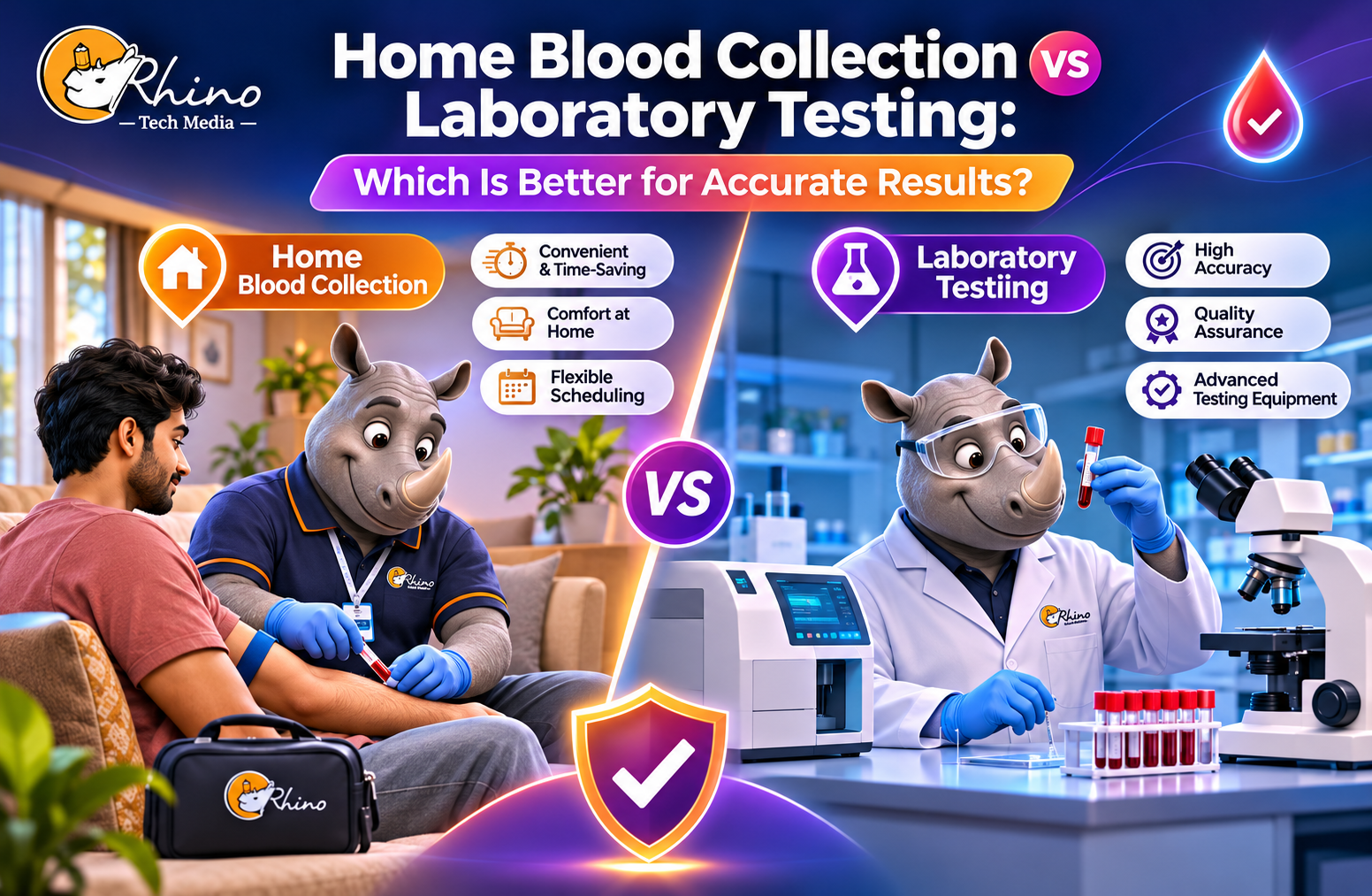
This is one reason home blood collection services have become a popular option. Instead of travelling to a diagnostic centre, you can have a trained phlebotomist visit your home and collect the required samples.
But does getting your blood tested at home offer the same accuracy as visiting a laboratory? Is one option safer or more suitable than the other?
Let’s look at how both services work, what makes blood test results accurate and how to choose the right option for your needs.
What Is Home Blood Collection?
Home blood collection allows patients to get their blood samples collected without visiting a diagnostic centre.
A trained phlebotomist visits the patient’s home, collects the required samples and transports them to an associated laboratory for analysis.
Why Are Patients Choosing Home Collection?
For many people, the biggest advantage is being able to manage healthcare without rearranging their entire day.
Some important benefits include:
- Less travel: No need to commute or wait in long queues.
- Flexible appointments: Schedule sample collection around your daily routine.
- Comfortable surroundings: Particularly helpful for elderly patients and children who feel anxious about medical visits.
- Accessibility: A practical option for people recovering from surgery or experiencing mobility difficulties.
- Regular monitoring: Makes follow-up tests for diabetes, thyroid conditions and cholesterol levels easier to schedule.
Consider this: If your parents need monthly blood sugar monitoring, arranging a home collection appointment can save them the effort of travelling to a diagnostic centre each time.
What Is Laboratory Blood Testing?
Laboratory blood testing involves visiting a diagnostic centre, hospital or pathology laboratory for sample collection.
A trained professional draws the blood, and the sample enters the laboratory’s testing process.
When Is Visiting a Laboratory Helpful?
A diagnostic centre may be a better choice when:
- You require specialised investigations with specific collection requirements.
- Your doctor recommends tests that need immediate processing.
- You need access to additional diagnostic facilities.
- You prefer speaking directly with laboratory professionals.
- A medical condition requires closer supervision during sample collection.
For example, a patient undergoing a specialised investigation may benefit from visiting a centre equipped to handle the specific testing requirements.
Home Blood Collection vs Laboratory Testing: 5 Key Differences
Both services can deliver dependable results. However, the experience and sample-handling process differ.
1. Time and Accessibility
Imagine having a blood test scheduled before work. With a laboratory visit, you need to account for travel, registration and waiting time.
Home collection removes much of that effort.
Home collection is suitable for:
- Working professionals with limited free time.
- Elderly individuals who find travelling difficult.
- Patients who need frequent follow-up tests.
Laboratory visits are suitable for:
- People who prefer in-person diagnostic services.
- Patients requiring additional investigations at the same location.
2. Sample Collection and Hygiene
The quality of blood collection matters more than the room in which it happens.
Whether the procedure takes place at home or in a laboratory, the phlebotomist should:
- Follow hand hygiene practices.
- Use sterile, single-use needles.
- Disinfect the collection site.
- Select the appropriate collection tubes.
- Label samples correctly.
The World Health Organization’s blood collection guidelines explain the importance of safe collection procedures.
3. Sample Transportation and Storage
This is one area where the two services differ significantly.
Blood samples collected at home must reach the laboratory under suitable conditions.
Depending on the investigation, samples may require specific storage temperatures, separation procedures or timely processing.
When collection happens inside a laboratory, samples can generally enter the processing workflow directly.
What should patients ask?
Before booking home collection, check how the provider handles sample packaging, transportation and delivery timelines.
4. Accuracy of Blood Test Results
Does collecting blood at home affect the results?
Not necessarily. Home-collected samples can produce results comparable to laboratory-collected samples when the entire process follows appropriate quality standards.
However, several factors can influence the outcome:
- Patient preparation and fasting requirements.
- Blood collection techniques.
- Sample identification and labelling.
- Transportation delays.
- Laboratory equipment and quality-control procedures.
The WHO’s laboratory quality management resources explain why quality must be maintained throughout the testing process.
5. Availability of Blood Tests
Most routine investigations are available through home collection services.
These commonly include:
- Complete Blood Count (CBC)
- Thyroid Function Test (TFT)
- Lipid Profile
- Blood Glucose Test
- Kidney Function Test (KFT)
- Liver Function Test (LFT)
However, specialised investigations may require specific collection conditions or immediate processing.
Always confirm availability and collection requirements with the laboratory before scheduling an appointment.
What Do Research Findings Say About Laboratory Errors?
Accurate reporting depends on more than the testing equipment. Mistakes can occur before, during or after laboratory analysis.
The pre-analytical stage is particularly important because it covers patient preparation, blood collection, identification and sample transportation.
Here are two important research findings:
1. Around 60–70% of laboratory errors occur during the pre-analytical phase.
This highlights the importance of correct sample collection, handling and preparation.
Read the research on pre-analytical errors.
2. An Indian hospital study examined 32,589 laboratory samples over six months.
The researchers found that pre-analytical issues accounted for approximately 61% of identified laboratory errors.
These findings show why patients should look beyond the collection location and pay attention to the diagnostic provider’s quality procedures.
How to Choose a Reliable Home Blood Collection Service?
Before booking an appointment, take a moment to check the provider’s credentials and collection practices.
Here are some important things to consider:
- NABL accreditation: Check whether the associated laboratory is accredited and whether your required tests fall within its accredited scope.
- Trained phlebotomists: Ensure qualified professionals handle your sample.
- Sample transportation: Ask how specimens are stored and delivered.
- Hygiene practices: Confirm that sterile, single-use equipment is used.
- Report availability: Check expected turnaround times and how reports are shared.
- Patient assistance: Choose a service that provides clear instructions and support if recollection is required.
You can verify accreditation information through the National Accreditation Board for Testing and Calibration Laboratories (NABL).
7 Things to Remember Before Your Next Blood Test
A little preparation can help prevent unnecessary delays and avoidable variations in your results.
Keep these points in mind:
- Check fasting instructions: Not every investigation requires fasting. Follow your doctor’s advice.
- Drink plain water: Unless advised otherwise, staying hydrated can make blood collection easier.
- Inform the phlebotomist about medication: Share details of your medicines and supplements. Never discontinue prescribed medication without medical advice.
- Follow the recommended timing: Certain investigations require morning or otherwise time-specific collection.
- Avoid strenuous activity if instructed: Exercise can influence some blood test parameters.
- Keep previous reports ready: These can help your doctor monitor changes over time.
- Verify your details: Check your name and requested investigations before the sample is collected.
For additional information, explore the WHO’s best practices for blood collection.
Conclusion: Make Your Health Check-Ups a Priority
Between professional commitments, family responsibilities and everyday activities, it is easy to put routine health check-ups on hold. However, monitoring your health should not become something you keep postponing.
Home blood collection offers a practical alternative for people who struggle to travel or manage busy schedules. Visiting a diagnostic laboratory remains useful when specialised facilities, immediate processing or additional assistance are needed.
Ultimately, the right choice depends on your medical requirements and the quality of the diagnostic service. Trained professionals, correct sample handling, appropriate transportation and reliable laboratory procedures are essential for dependable results.
Before booking, check the provider’s credentials and discuss any special testing requirements with your doctor.
Take a little time for your health today. Schedule your recommended blood tests, choose a diagnostic service you can trust and make preventive healthcare part of your regular routine.
