
Overview
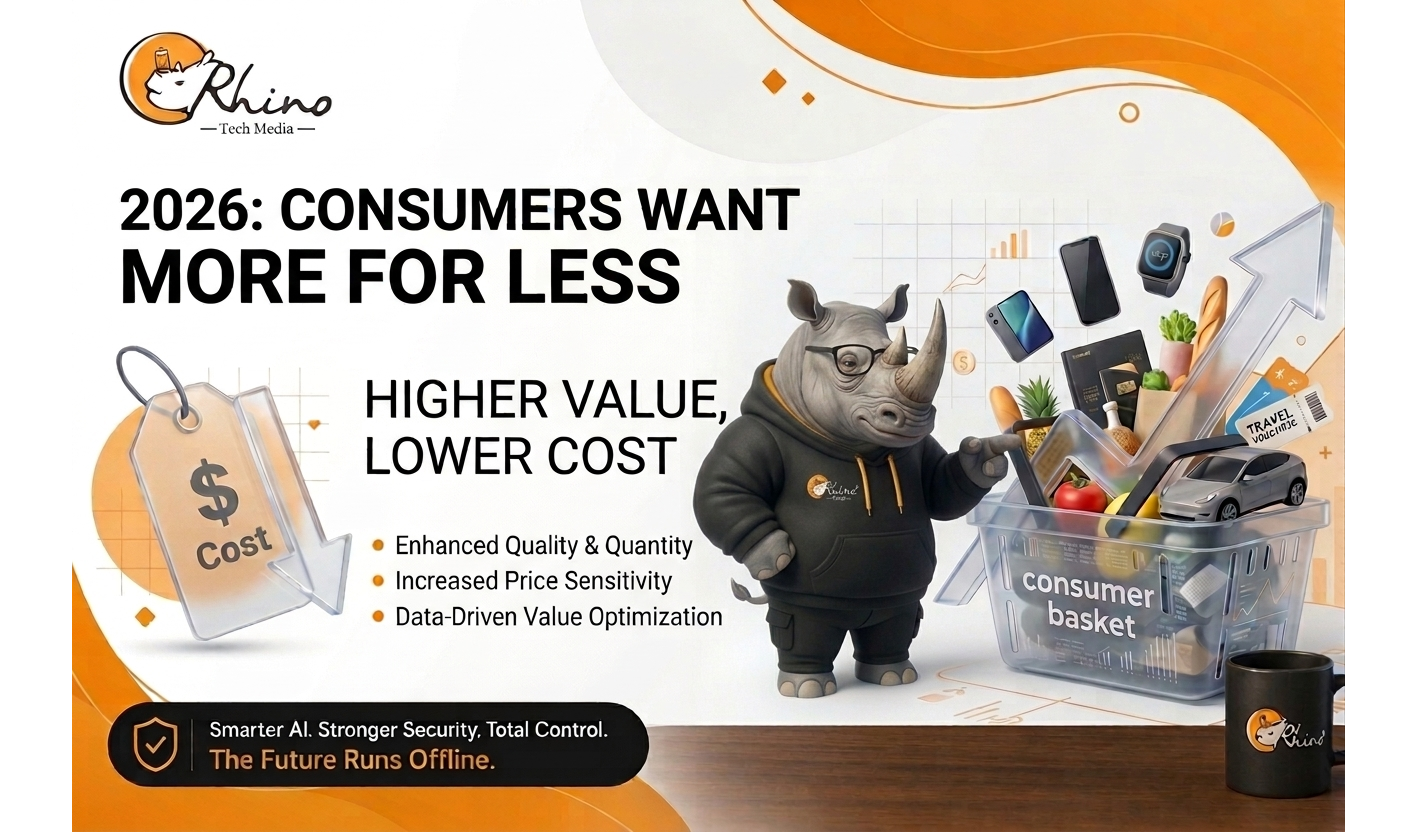
Consumers in 2026 are becoming more deliberate about how they spend. Rising costs, economic uncertainty, and greater access to information are pushing people to look beyond low prices and focus on real value—quality, durability, convenience, experience, and long-term benefits.
For businesses, this shift means winning customers is no longer simply about offering the cheapest option. Brands that can prove their value, build trust, and deliver more for every purchase are better positioned to stand out.
Key Consumer Shifts in 2026
- l Value Over Volume — Consumers are prioritizing meaningful purchases instead of buying more simply because products are affordable.
- l Quality Matters More — Shoppers are increasingly willing to invest in products that offer durability, reliability, and longer-term value.
- l Smarter Spending — Customers are comparing prices, reviews, features, and alternatives before making purchasing decisions.
- l Deals With a Purpose — Discounts and promotions remain attractive, but consumers want offers that provide genuine savings.
- l Durability Is a Selling Point — Products that last longer can feel more valuable than cheaper alternatives that need frequent replacement.
- l Experience Adds Value — Easy ordering, fast delivery, personalized service, and seamless customer experiences can influence purchasing decisions.
- l Trust Drives Purchases — Transparent pricing, authentic reviews, clear product information, and reliable brands are increasingly important.
- l Loyalty Must Be Earned — Consumers are more willing to switch brands when another option offers better quality, service, or overall value.
- l Smart Brands Are Adapting — Businesses are responding with better product quality, flexible pricing, bundles, loyalty programs, and stronger customer experiences.
The Big Picture
In 2026, consumers aren’t simply asking, “How much does it cost?” They’re asking, “What am I getting for my money?”
For brands, the opportunity is clear: deliver more value, communicate it clearly, and give customers a reason to choose you.
The global consumer is entering 2026 with a sharper eye on value. Higher living costs, economic uncertainty, changing lifestyles, and easier access to information are influencing how people decide what—and whether—to buy.
But “more for less” doesn’t simply mean cheaper prices. Consumers increasingly want better quality, longer-lasting products, greater convenience, personalized experiences, and stronger benefits for the money they spend.
For businesses, this is creating a major shift: competing on price alone is no longer enough. Brands need to demonstrate why their products are worth the investment and create meaningful value at every stage of the customer journey.
Why Consumers Are Becoming More Value-Conscious
Several forces are changing purchasing behavior in 2026:
- l Cost-conscious spending: Consumers are paying closer attention to household budgets and discretionary spending.
- l Greater price transparency: Online shopping makes it easier to compare prices, products, reviews, and alternatives.
- l Economic uncertainty: Consumers are becoming more cautious about large or unnecessary purchases.
- l Better product research: Reviews, social media, comparison platforms, and AI-powered tools help shoppers make more informed decisions.
- l Changing priorities: Consumers increasingly consider quality, convenience, durability, and usefulness alongside price.
What “More for Less” Means in 2026
1. More Quality, Not Just Lower Prices
Consumers don’t necessarily want the cheapest product. They want to feel that their purchase delivers strong quality for the price.
Durability, performance, materials, reliability, and functionality can all contribute to perceived value.
2. Smart Spending Is Becoming the New Normal
Before purchasing, consumers are increasingly asking:
“Do I really need this?”
“Is it worth the price?”
“Can I get something better for the same money?”
This encourages brands to clearly communicate product benefits and demonstrate their value.
3. Discounts Still Matter—but They Aren’t Everything
Promotions, bundles, loyalty rewards, seasonal offers, and free delivery can influence purchasing decisions.
However, consumers are becoming better at recognizing artificial discounts. Transparent and genuinely useful offers can create more trust than constant sales messaging.
4. Durability Has Become a Competitive Advantage
A product that lasts longer can provide greater value than a cheaper product that needs to be replaced frequently.
This is especially relevant across furniture, fashion, electronics, automobiles, home improvement, and other durable-goods categories.
5. Convenience Is Part of the Value Equation
Value isn’t only about the product itself.
Consumers increasingly consider:
- l Easy online ordering
- l Fast and reliable delivery
- l Simple returns
- l Convenient payment options
- l Responsive customer service
- l Personalized recommendations
- l Seamless digital experiences
The easier the experience, the greater the perceived value.
The Rise of the “Value-First” Consumer
The 2026 consumer is becoming more selective rather than simply spending less.
They may still purchase premium products—but they want a clear reason to pay more.
That means consumers can be:
- l Price-conscious about everyday purchases
- l Quality-conscious about long-term purchases
- l Experience-conscious when choosing services
- l Brand-conscious when trust matters
- l Value-conscious across almost everything they buy
This creates a more complex consumer landscape where low price and high value are no longer considered the same thing.
What This Means for Businesses
Brands need to rethink how they communicate value.
Instead of simply saying “We are affordable,” businesses can focus on:
- l Better quality for the price
- l Longer product lifespan
- l Lower total cost over time
- l More functionality
- l Better customer service
- l Greater convenience
- l Personalized experiences
- l Transparent pricing
- l Meaningful loyalty benefits
- l Products designed around real customer needs
The New Competitive Advantage: Perceived Value
In 2026, successful brands will increasingly compete on the total value they deliver, not just the number displayed on the price tag.
A slightly more expensive product can still win if consumers believe it offers better quality, greater durability, stronger performance, or a better overall experience.
The Formula Is Changing
Price → Value → Trust → Loyalty
Consumers want to know that their money is being well spent. Brands that consistently deliver on that expectation can turn cautious shoppers into long-term customers.
Key Consumer Trends to Watch in 2026
- l Value over volume
- l Quality over quantity
- l Smarter spending
- l Longer-lasting products
- l Purpose-driven purchases
- l Personalized offers
- l Transparent pricing
- l Experience-led buying
- l Growth of resale and secondhand markets
- l Greater reliance on reviews and recommendations
- l AI-assisted product discovery and comparison
- l Stronger demand for convenience
The Big Takeaway
2026 isn’t necessarily about consumers spending less. It’s about consumers expecting more from every dollar they spend.
The brands that understand this shift will move beyond competing purely on price. They will compete by delivering quality, usefulness, convenience, trust, and experiences that make the purchase feel worthwhile.
Conclusion
The rise of value-conscious consumers in 2026 is changing the way people shop and the way businesses compete. Consumers are no longer looking only for the lowest price—they want better quality, greater convenience, lasting performance, and meaningful benefits for their money.
For brands, the message is clear: value must be earned, demonstrated, and consistently delivered. Businesses that understand changing consumer priorities, offer transparent pricing, improve customer experiences, and provide genuine long-term value will be better positioned to build trust and loyalty.
In 2026, the winning strategy isn’t simply to sell for less—it’s to deliver more value for every purchase.
