
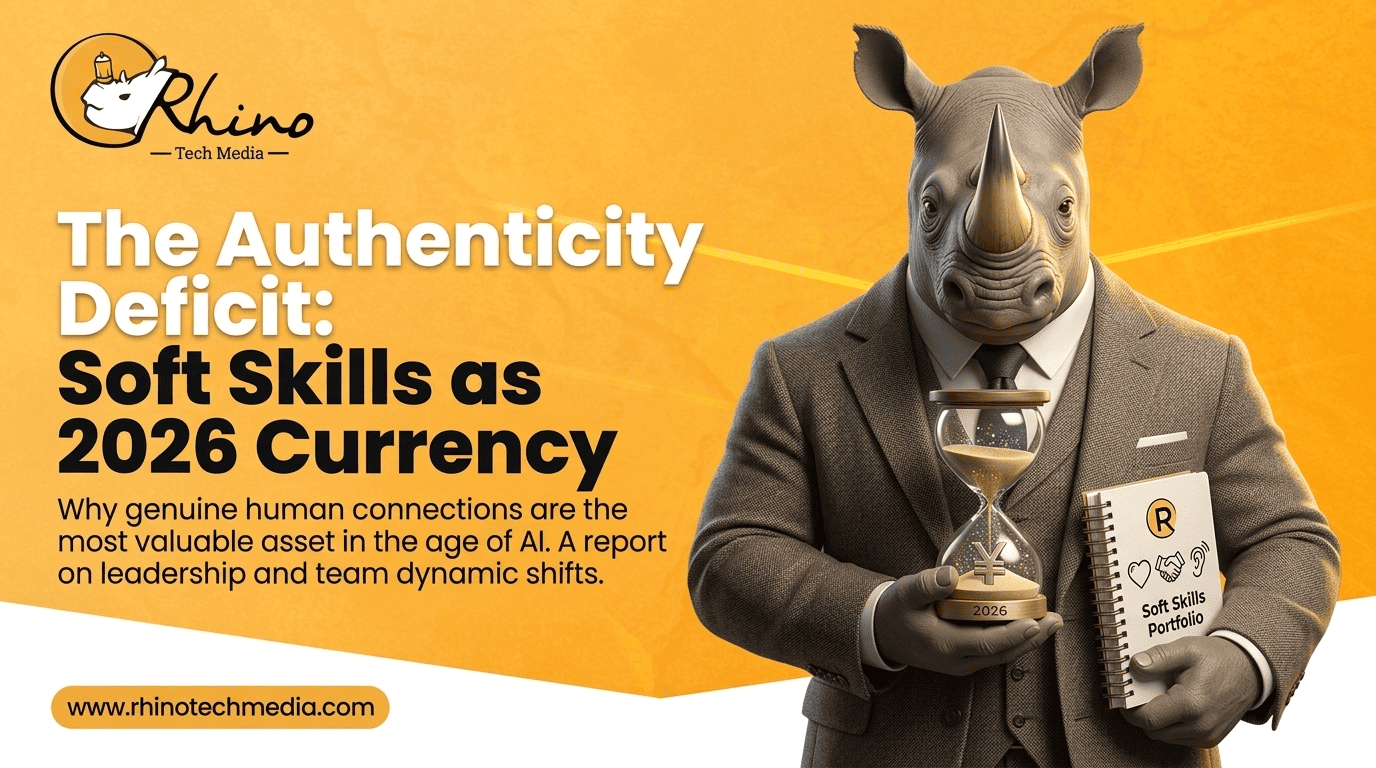
The Authenticity Deficit: Soft Skills as 2026 Currency
In an era where artificial intelligence can draft emails, design campaigns, and even simulate human conversation, a paradox has emerged: the more “intelligent” our tools become, the more we crave something distinctly human. This gap,between polished output and genuine connection,is what many are calling the authenticity deficit. In 2026, the most valuable professional currency is no longer just technical expertise or digital fluency; it is the mastery of soft skills that signal authenticity, trust, and emotional intelligence.
The Rise of the Authenticity Deficit
Over the past decade, automation and AI have streamlined productivity to unprecedented levels. Tasks that once required hours of human effort can now be completed in seconds. While this has increased efficiency, it has also created a uniformity in communication. Emails sound similar, presentations follow predictable patterns, and content often feels engineered rather than experienced.
As a result, people have become more perceptive,and more skeptical. Audiences can sense when something lacks sincerity. Whether it’s a brand campaign, a job interview, or a leadership message, authenticity has become the differentiating factor. The deficit arises when individuals rely too heavily on tools and neglect the human elements that foster real connection.
Soft Skills as the New Currency
In this landscape, soft skills have evolved from “nice-to-have” traits to critical assets. Skills such as empathy, active listening, adaptability, and self-awareness are now essential for standing out in both professional and personal contexts.
Empathy, for instance, allows individuals to understand and respond to others’ emotions in a meaningful way. In customer-facing roles, this translates into better service and stronger relationships. In leadership, it builds trust and loyalty within teams.
Communication, another cornerstone soft skill, is no longer just about clarity—it’s about authenticity. The ability to convey ideas with honesty, nuance, and emotional resonance is what separates impactful communicators from average ones.
Adaptability has also gained prominence. In a rapidly changing environment, those who can navigate uncertainty while maintaining a human touch are more likely to succeed. This includes being open to feedback, embracing change, and continuously learning.
Why Authenticity Matters More Than Ever
Authenticity is not just a personal virtue; it has tangible economic and social value. In business, consumers are increasingly drawn to brands that feel real and transparent. Employees prefer workplaces where leaders are approachable and genuine. Even in hiring, recruiters are looking beyond resumes to assess cultural fit and interpersonal skills.
The reason is simple: authenticity builds trust. And trust, in turn, drives engagement, loyalty, and long-term success. In a world saturated with information and automation, trust is scarce,and therefore incredibly valuable.
Moreover, authenticity enhances collaboration. When individuals feel comfortable expressing their true selves, it fosters a culture of openness and innovation. Teams become more resilient, creative, and aligned in their goals.
The Role of Technology in Shaping Soft Skills
Ironically, the very technologies contributing to the authenticity deficit are also highlighting the importance of soft skills. AI can replicate language, but it struggles with context, emotion, and ethical judgment. This limitation underscores the irreplaceable role of human insight.
Rather than viewing technology as a threat, professionals must learn to use it as a tool while doubling down on their human capabilities. For example, AI can handle data analysis, but interpreting that data in a way that resonates with people requires empathy and storytelling.
The future of work is not about competing with machines but complementing them. Those who can blend technical proficiency with strong interpersonal skills will have a distinct advantage.
Bridging the Gap: Cultivating Authenticity
Addressing the authenticity deficit requires intentional effort. It begins with self-awareness,understanding one’s values, strengths, and areas for growth. When individuals are clear about who they are, they are better equipped to communicate authentically.
Practicing active listening is another crucial step. This means fully engaging with others, asking thoughtful questions, and responding with genuine interest. It shifts the focus from performing to connecting.
Vulnerability also plays a key role. While it may seem counterintuitive in professional settings, sharing challenges and uncertainties can humanize interactions and build deeper relationships.
Finally, consistency is essential. Authenticity is not a one-time act but a sustained approach. It involves aligning words with actions and maintaining integrity across different contexts.
The Future Outlook
As we move further into 2026 and beyond, the demand for authentic human interaction will only increase. Organizations will prioritize soft skills in hiring and development. Educational institutions will place greater emphasis on emotional intelligence and communication. And individuals who invest in these areas will find themselves better equipped to navigate an increasingly complex world.
The authenticity deficit is not just a challenge,it is an opportunity. It offers a chance to redefine what value means in a technologically advanced society. By embracing soft skills as a form of currency, we can create more meaningful connections, foster trust, and ultimately build a future where technology enhances, rather than diminishes, our humanity.
In the end, the most powerful skill is not the ability to mimic intelligence, but the courage to be genuinely human.
