
Introduction
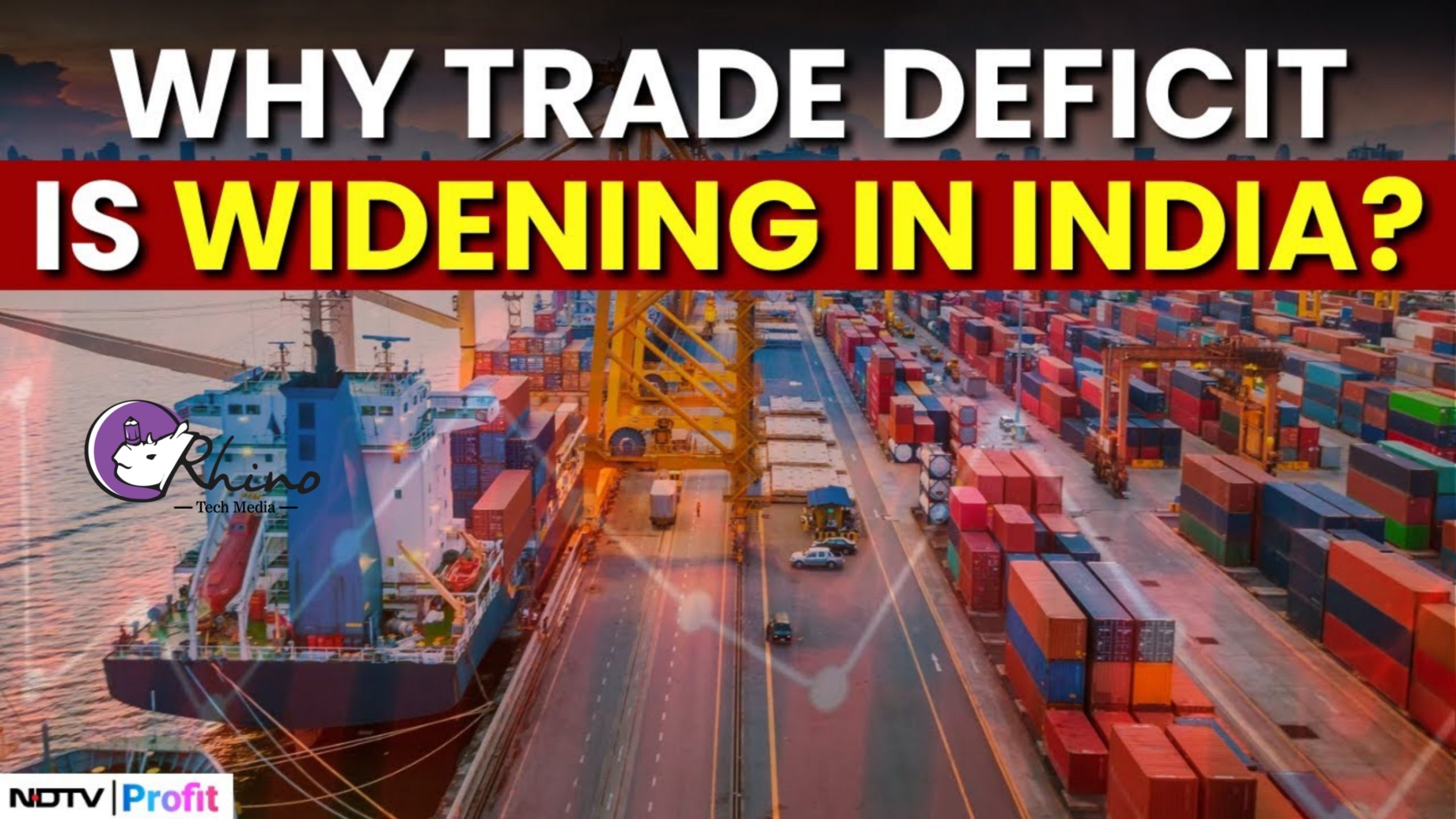
In October 2025, India recorded a historic merchandise trade deficit of US$ 41.68 billion, the highest monthly gap on record. This widening came amid a steep drop in exports and a sharp surge in imports, driven by a confluence of factors ranging from festive demand to trade tensions. Understanding these dynamics is crucial because a persistent and large trade deficit can pressure India’s external balances, currency, and macroeconomic stability.
Key Factors Behind the Widening Deficit
- Surge in Precious Metal Imports (Gold & Silver)
- The most significant contributor was a dramatic increase in gold imports. According to the Commerce Secretary, gold inflows during October hit US$ 14.72 billion, up from US$ 4.92 billion in the same month a year earlier — a nearly three-fold jump.
- Silver imports also spiked (to US$ 2.73 billion), compounding the pressure on the trade balance.
- This surge is largely attributed to festive-season demand (Diwali, weddings), when Indians buy more gold.
- Such a “gold rush” inflates India’s import bill disproportionately, since precious metals add a large value but do not correspond to productive economic capacity in the way manufactured exports do.
- Decline in Merchandise Exports
- While imports surged, exports weakened significantly: merchandise exports declined 11.8% year-on-year in October, falling to US$ 34.38 billion.
- The drop affected several key export categories: engineering goods, textiles, pharmaceuticals, chemicals, and gems & jewellery saw lower outbound shipments.
- A substantial part of the export decline is linked to weaker demand from the U.S., particularly after the imposition of steep U.S. tariffs (up to 50%) on several Indian goods.
- Nomura, cited by analysts, pointed to a “cumulative US-bound export contraction” of around 10% since the tariffs came into effect.
- Tariff and Policy Risks: U.S. Trade Barriers + HIRE Act
- The U.S. tariffs are a major structural headwind. As mentioned, sectors such as textiles, leather, gems & jewellery, and engineering goods have felt the pinch.
- Moreover, there is concern about the proposed HIRE Act in the U.S., which would impose a 25% tax on outsourcing by U.S. firms.
- If enacted, this could erode India’s services export competitiveness, particularly in IT and BPO, threatening a key source of foreign exchange.
- Analysts argue these policy headwinds could exacerbate India’s current account deficit (CAD) and put pressure on its external financial stability.
- Other Import Pressures
- Beyond precious metals, imports of other goods contributed to the spike. According to India Infoline, October saw higher imports of machinery, transport equipment, non-ferrous metals, and fertilizers.
- Though crude oil imports fell in YoY terms (as per some data), other import categories held up or rose, adding to the overall import bill.
- Fertiliser imports, in particular, were flagged as one of the import drivers by some reports.
- Limited Cushion from Services Surplus
- On the services side, India did have a surplus: services exports were estimated at around US$ 38.52 billion in October, versus services imports of US$ 18.64 billion, giving a services surplus of about US$ 19.9 billion.
- Nonetheless, this surplus was not sufficient to offset the ballooning merchandise deficit. According to India Infoline, the services surplus covered only about 47.7% of the merchandise trade shortfall in October.
- Thus, while services remain a bright spot, their scale is not enough (for now) to neutralize the import surge.
Risks and Implications
The October trade data raises several macroeconomic concerns:
- External Imbalances: A record-high monthly trade deficit raises the risk of worsening the current account deficit, especially if the trend continues.
- Currency Pressure: Higher import bills (especially for non-productive imports like gold) require more foreign exchange, potentially putting downward pressure on the rupee. IDFC First Bank has warned of pressure on the rupee and the external balance.
- Export Shock Vulnerability: Given that U.S. demand has weakened amid tariffs, India’s export outlook is fragile. A protracted dispute or more protectionist measures could further hurt growth.
- Policy Risk: If the HIRE Act or similar policies are implemented, India’s outsourcing-led services model may face headwinds, reducing a key foreign-exchange earning sector.
- Over-reliance on Festive Imports: The surge in gold driven by festival demand suggests that at least part of the trade deficit spike is ‘temporary’ in nature. But repeated seasonal surges may distort trade dynamics and capital flows.
Opportunities & Policy Responses
Given these challenges, India could consider several policy responses:
- Export Support Measures: The government has already announced some relief — including export credit guarantee schemes, longer windows for repatriation of export proceeds, and moratorium on term-loan repayments for exporters. Strengthening such support could help sustain export momentum.
- Diversification of Export Markets: Reducing over-reliance on the U.S. market by deepening trade ties with other geographies (Europe, Asia, Africa) will help mitigate bilateral risks.
- Gold Import Management: Authorities could explore measures to moderate speculative or excessive gold inflows, especially during peak demand periods, without stifling legitimate demand. Policy tools might include adjusting import duties, tightening gold financing, or promoting domestic gold recycling.
- Strengthening Services Competitiveness: To insulate against HIRE Act risk, India could invest in higher-value services (R&D, design, cloud, AI) rather than traditional outsourcing alone.
- Maintaining External Resilience: Strengthening foreign exchange reserves, cultivating long-term capital inflows, and managing currency risk will be vital.
Conclusion
India’s record trade deficit in October 2025 reflects a confluence of strong import demand (especially for gold), weakening exports, and growing external vulnerabilities. While some of the spike — such as the surge in precious metal imports — is tied to temporary festive demand, other risks like U.S. tariffs and policy headwinds are more structural and could weigh on India’s external stability if not addressed.
Policymakers will need to strike a balance between supporting exporters, managing speculative import pressures, and shore up external resilience through prudent macroeconomic and trade strategies. If calibrated well, these measures can help India navigate near-term imbalances while positioning the country for more stable and diversified external growth in the years ahead.