Overview
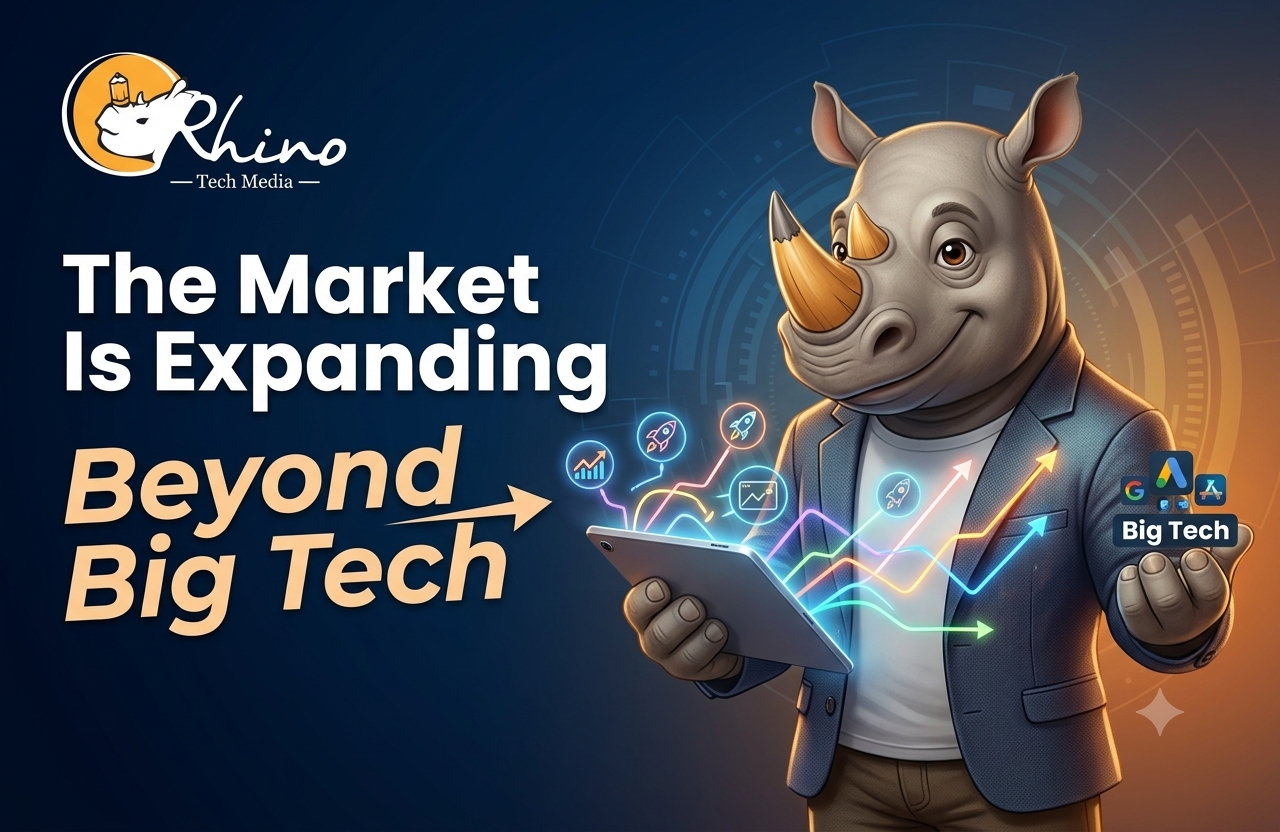
For much of the past decade, a handful of large technology companies have driven stock market performance. In 2026, however, market leadership is becoming more diversified as investors look beyond Big Tech for new growth opportunities. Strong corporate earnings, easing interest rates in some regions, government investment, and continued technological innovation are supporting a broader range of industries.
Sectors such as:
- Healthcare
- Industrials
- financial services
- Energy
- Infrastructure
- Defense
- advanced manufacturing
are attracting increased investor interest.
At the same time, emerging technologies—including :
- artificial intelligence
- Robotics
- Cybersecurity
- clean energy
are creating opportunities across the economy rather than within the technology sector alone.
This broader market participation signals a healthier investment environment, where growth is being driven by multiple industries instead of a small group of mega-cap companies. For investors, diversification and identifying long-term structural trends are becoming increasingly important strategies for managing risk and capturing future returns.
Why Market Leadership Is Changing
Several powerful economic and structural trends are driving this transition.
1. Artificial Intelligence Is Benefiting Every Industry
Although many associate AI with major technology companies, its impact extends across the broader economy.
Businesses in nearly every sector are integrating AI to improve operations, reduce costs, automate repetitive tasks, and enhance customer experiences.
Examples include:
- Healthcare providers using AI for diagnostics and drug discovery
- Manufacturers implementing intelligent automation
- Banks using AI for fraud detection and risk management
- Retailers improving inventory forecasting
- Energy companies optimizing production and maintenance
- Logistics firms enhancing supply chain efficiency
As AI adoption spreads, companies outside the technology sector are becoming significant beneficiaries of this long-term trend.
2. Healthcare Continues to Grow
Healthcare remains one of the strongest long-term investment themes. supported by powerful demographic, technological, and economic trends.An aging global population, rising healthcare spending, increasing demand for personalized medicine, and rapid advances in biotechnology and artificial intelligence (AI) are transforming the industry.
Growth is being supported by:
- Aging populations
- Increased healthcare spending
- Biotechnology innovation
- Personalized medicine
- Medical devices
- Digital healthcare platforms
- AI-assisted diagnostics
- Telemedicine
Healthcare companies are generating growth independent of traditional technology cycles. Unlike many industries that are highly sensitive to economic cycles, healthcare benefits from consistent demand. People continue to require medical care regardless of broader economic conditions, making the sector relatively resilient during periods of market volatility.
3. Industrials Benefit from Infrastructure Investment
Governments around the world continue investing heavily in infrastructure modernization. Governments worldwide are investing in transportation networks, energy systems, digital infrastructure, and resilient supply chains to support long-term economic growth and enhance global competitiveness.
Areas receiving increased funding include:
- Transportation
- Airports
- Rail systems
- Smart cities
- Water infrastructure
- Telecommunications
- Semiconductor manufacturing
- Public utilities
Industrial companies supplying engineering, construction, automation, and machinery continue benefiting from these long-term investments. As infrastructure projects accelerate and industrial activity expands, the sector is becoming an increasingly important contributor to economic development and a key area of interest for long-term investors.
4. Personalized Medicine
Healthcare is shifting away from one-size-fits-all treatments toward personalized care.
Using genetic testing, biomarkers, and patient-specific data, physicians can develop therapies tailored to individual patients. Instead of prescribing the same therapies for all patients with a particular condition, personalized medicine uses an individual’s genetic makeup, medical history, lifestyle, and environmental factors to develop tailored prevention, diagnosis, and treatment strategies.
Benefits include:
- More effective treatments
- Fewer side effects
- Earlier disease detection
- Better long-term outcomes
- Improved patient satisfaction
Advances in genomics, artificial intelligence (AI), biotechnology, and data analytics have accelerated the adoption of personalized medicine in 2026. By enabling healthcare providers to deliver more targeted and effective treatments, personalized medicine is improving patient outcomes, reducing unnecessary side effects, and supporting more efficient healthcare systems.
5. Logistics and Transportation Expansion
The logistics and transportation sector is experiencing strong growth in 2026, fueled by expanding global trade, e-commerce, infrastructure investment, and advances in digital technologies.As businesses strive to deliver products faster, reduce costs, and build more resilient supply chains, demand for efficient transportation and logistics services continues to rise.
Investment opportunities include:
- Freight transportation
- Shipping infrastructure
- Warehouse automation
- Cold storage facilities
- Distribution centers
- Last-mile delivery solutions
At the same time, consumers expect faster deliveries, greater transparency, and seamless shipping experiences, encouraging companies to modernize their logistics networks.
Modern logistics systems are becoming critical to supporting global commerce.
International Markets Offer New Opportunities
As market leadership broadens beyond Big Tech, investors are increasingly looking beyond their domestic markets for new sources of growth.
Investment opportunities are also expanding geographically.
Many investors are increasing exposure to:
- India
- Southeast Asia
- Middle East
- Latin America
- Selected European markets
Drivers include:
- Population growth
- Infrastructure development
- Rising middle-class consumption
- Manufacturing expansion
- Digital transformation
In 2026, international markets are attracting attention as economic development, demographic changes, infrastructure investment, digital transformation, and rising consumer demand create opportunities across a wider range of countries and regions.
Risks to Watch
Despite the positive outlook, investors should remain aware of potential risks.
These include:
- Persistent inflation
- Interest rate changes
- Geopolitical tensions
- Trade policy uncertainty
- Supply chain disruptions
- Slower global economic growth
- Valuation concerns in certain sectors
- Regulatory changes affecting major industries
Monitoring these risks remains an important part of long-term investment planning.
Benefits of Broader Market Leadership
A wider group of market leaders provides several advantages:
- Reduces dependence on a handful of mega-cap companies
- Creates more investment opportunities
- Improves overall market resilience
- Supports healthier economic growth
- Encourages innovation across industries
- Expands opportunities for long-term investors
- Reduces sector concentration risk
- Increases participation from companies of different sizes
Conclusion
The era when a small group of technology giants overwhelmingly dictated market performance is gradually giving way to a more diversified investment landscape. While Big Tech remains an important driver of innovation and economic growth, the next phase of market expansion is being fueled by a broader mix of industries, company sizes, and global regions. For investors, this evolving environment highlights the importance of looking beyond familiar names and focusing on long-term structural trends.
